Common Causes of Concrete Foundation Damage
Homeowners seeking foundation damage repair often want to address issues caused by soil movement, water intrusion, or poor construction, and local contractors can provide expert solutions.
Understanding the common causes of concrete foundation damage is essential for property owners looking to protect their investment and maintain the integrity of their homes. Factors such as soil movement, poor drainage, and temperature fluctuations can all contribute to cracks, settling, or other structural issues over time. Recognizing these potential problems early can help homeowners decide when to seek the expertise of nearby contractors who specialize in foundation repair services, ensuring issues are addressed before they worsen.
For those in the local area, exploring this topic is a practical step toward safeguarding a property’s stability. Local contractors experienced in foundation damage repair are equipped to diagnose the specific causes affecting a property and recommend effective solutions. Continuing to learn about these common issues can empower property owners to stay proactive and connect with trusted service providers who can help restore and reinforce their foundations when needed.
- when soil shifting or settling causes cracks or unevenness in the foundation, local contractors can assess and stabilize the structure. - in cases of water intrusion or poor drainage leading to foundation weakening, service providers can implement waterproofing and drainage solutions. - if expansive clay or other reactive soils are causing movement, local pros can reinforce and underpin the foundation to prevent further damage. - during signs of foundation settlement or sinking, experienced contractors can evaluate and perform underpinning or leveling repairs. - when structural cracks or bowing appear due to external pressure or poor construction, local experts can provide repair and reinforcement services.
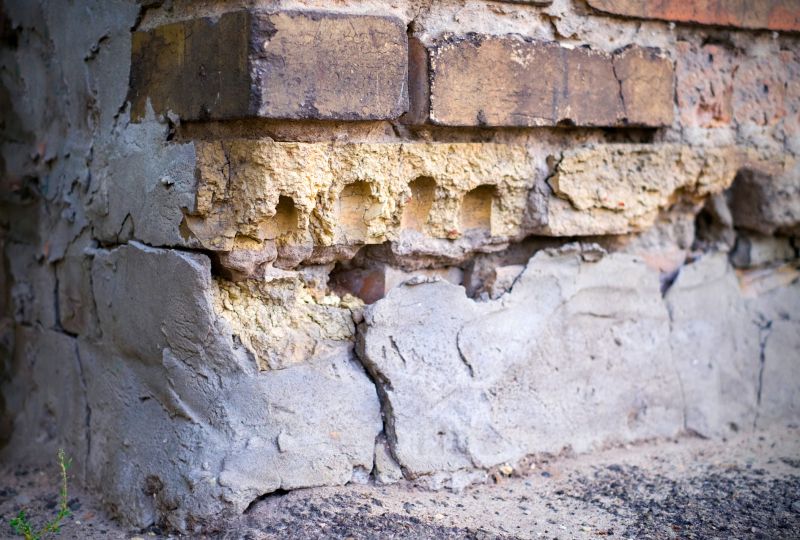
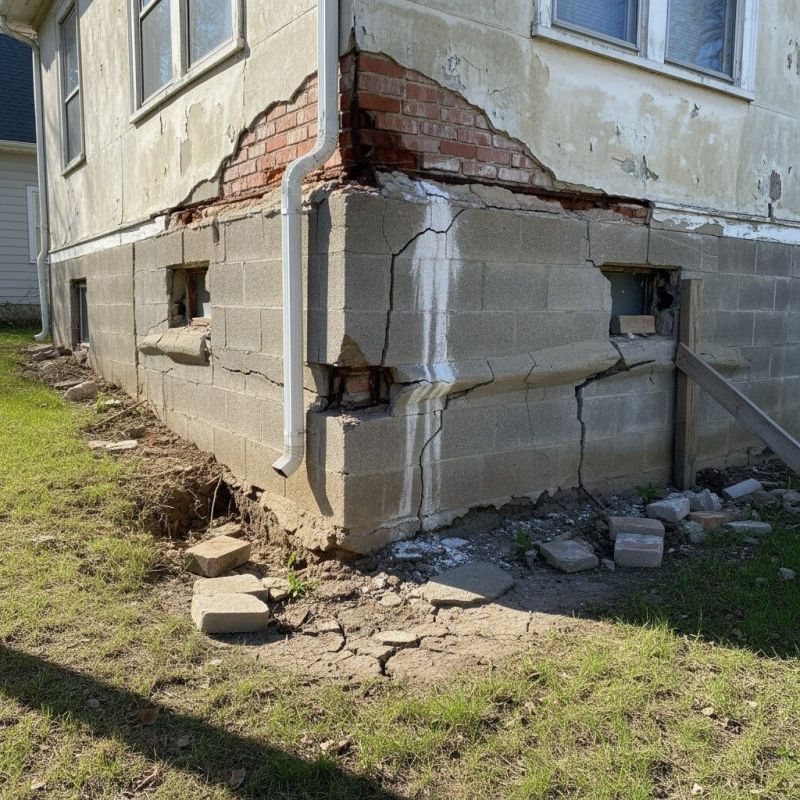
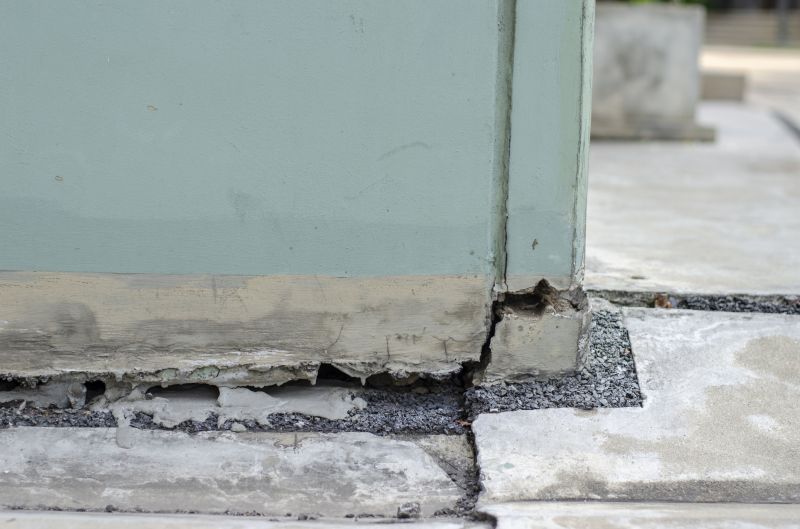
Understanding the common causes of concrete foundation damage is essential for homeowners who want to protect their property and avoid costly repairs. When people search for this topic, they are usually interested in learning about the underlying reasons that can lead to cracks, settling, or structural instability in their foundation. This knowledge helps homeowners identify early warning signs and plan appropriate solutions. Foundation damage often relates to issues that develop gradually over time, such as soil movement or moisture problems, which can compromise the integrity of the concrete and, ultimately, the entire building. Recognizing these causes is a key step in maintaining a safe and stable home.
Many foundation problems are linked to factors that cause the soil beneath a property to shift or expand. For example, soil shrinkage due to drought or dry conditions can lead to settlement or cracks, while excessive moisture from poor drainage or plumbing leaks can cause soil to swell and exert pressure on the foundation. Additionally, poor construction practices, like inadequate footing or improper backfilling, can leave a foundation vulnerable from the start. These issues are common in residential properties, especially those built on clay soils or in areas prone to moisture fluctuations. Understanding how these factors influence foundation health helps homeowners better assess their property’s risks and work with local service providers to address underlying problems.
Properties that typically face foundation damage include single-family homes, especially those with basements or crawl spaces, as well as multi-family buildings and small commercial structures. Homes with poor drainage systems or landscaping that directs water toward the foundation are more susceptible to moisture-related issues. Older properties may also be at higher risk due to aging materials and previous construction methods. In many cases, foundation damage manifests as visible cracks in walls or uneven flooring, prompting homeowners to seek advice from local contractors experienced in diagnosing and repairing these specific issues. Connecting with experienced service providers ensures that the root causes are properly addressed to prevent further deterioration.
Local foundation repair professionals play a vital role in diagnosing and resolving the common causes of concrete foundation damage. They can assess soil conditions, evaluate drainage systems, and identify structural vulnerabilities that contribute to foundation issues. By understanding the underlying causes, these service providers can recommend tailored solutions, such as soil stabilization, waterproofing, or underpinning, to restore stability. For homeowners, working with local pros offers the benefit of expertise rooted in the specific conditions of the area, ensuring that repairs are effective and long-lasting. Proper diagnosis and targeted repairs help maintain the value and safety of a property, making it a worthwhile step for any homeowner concerned about foundation health.
Concrete repair projects involve patching and restoring damaged surfaces, utilizing skills similar to addressing foundation cracks caused by common issues like settlement or moisture intrusion.
Drainage system installations require planning and excavation work comparable to foundation waterproofing efforts that prevent water-related damage to concrete structures.
Soil stabilization services focus on improving ground conditions, which aligns with addressing soil-related causes of foundation damage such as shifting or erosion.
Retaining wall construction involves understanding soil and water pressure, similar to managing external factors that contribute to foundation cracking and movement.
Crack injection and sealing are techniques used to repair foundation cracks, sharing tools and methods involved in mitigating damage caused by settlement or hydrostatic pressure.
Site excavation and grading ensure proper drainage and soil compaction, essential for preventing issues like uneven settling that lead to foundation damage.
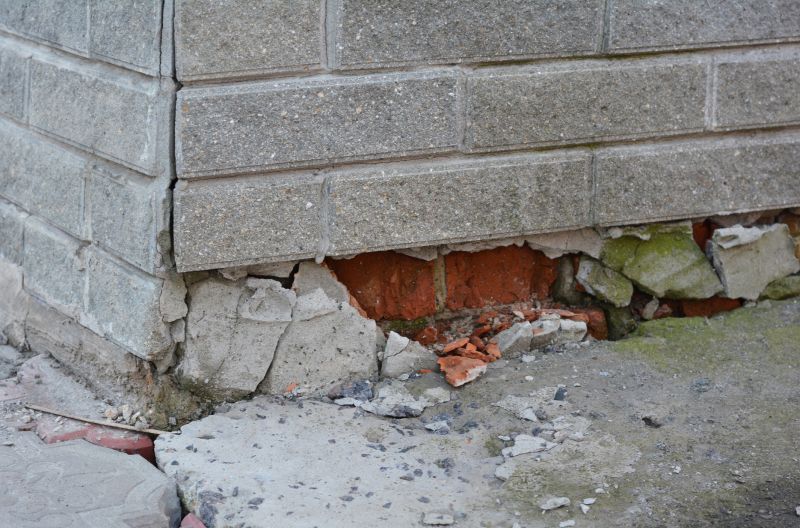
When evaluating service providers for foundation damage repair, it is important to consider their experience with similar projects. Homeowners should look for local contractors who have a proven track record of addressing common causes of concrete foundation damage, such as soil movement, poor drainage, or inadequate construction practices. An experienced contractor will understand the nuances of these issues and be better equipped to provide effective solutions, reducing the risk of future problems. Gathering references or reviews from previous clients who faced similar foundation concerns can offer insights into their expertise and the quality of their work.
Clear, written expectations are essential when comparing foundation repair services. Homeowners should seek detailed proposals that outline the scope of work, methods to address common causes of concrete foundation damage, and the materials to be used. Having this information in writing helps ensure that everyone is aligned on project goals and reduces misunderstandings. Service providers who communicate their plans transparently demonstrate professionalism and a commitment to keeping clients informed throughout the repair process.
Effective communication and reputable references are key factors in choosing the right local contractors. Homeowners should prioritize service providers who are responsive, willing to answer questions, and can explain their approach to fixing foundation issues in understandable terms. Additionally, seeking out references or reviews from past clients can help verify the contractor’s reliability and the quality of their repairs. Good communication fosters trust and ensures that homeowners feel confident in the contractor’s ability to address the underlying causes of foundation damage and deliver results that meet expectations.
Property owners often search for common causes of concrete foundation damage when they are planning practical projects around their homes and businesses. Local pros provide Foundation Damage Repair services for everyday jobs and straightforward project options.
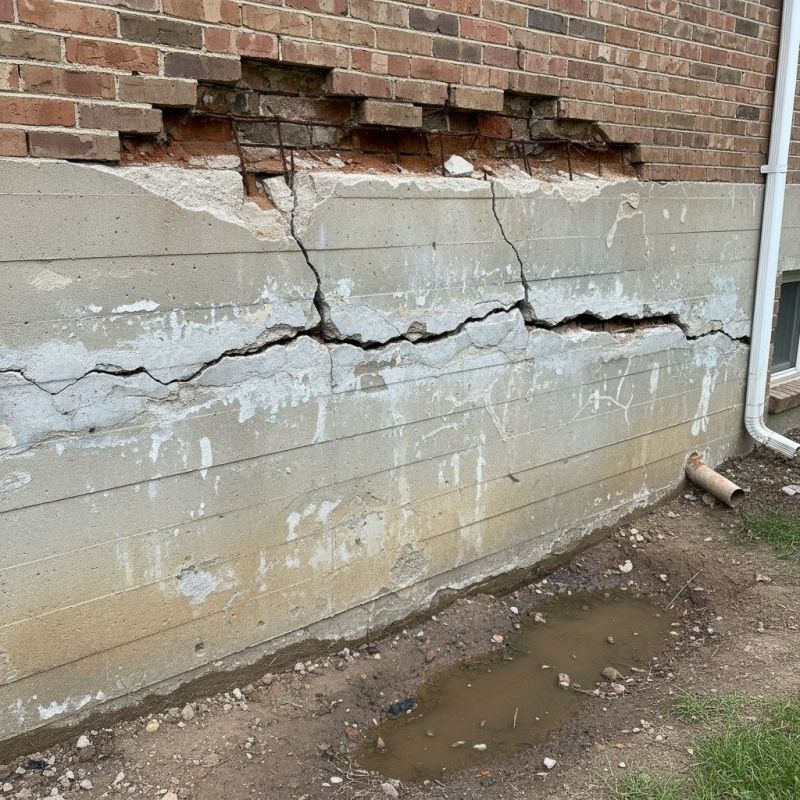
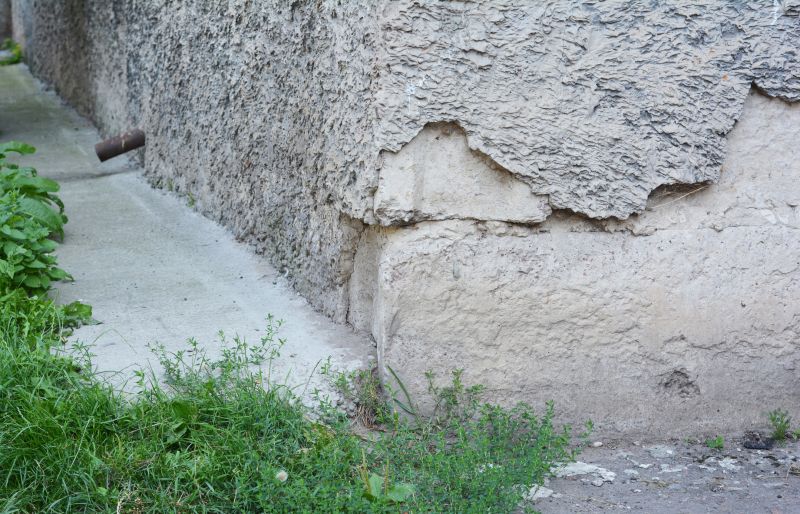
Understanding the common causes of concrete foundation damage can help property owners recognize early warning signs and prevent costly repairs. In many cases, issues such as soil movement, poor drainage, or improper grading around a property can exert pressure on the foundation, leading to cracks or settling over time. Additionally, exposure to excessive moisture or drought conditions can cause the soil beneath the foundation to expand or contract, contributing to structural instability. Property owners in the area often seek out local contractors who specialize in foundation repair to assess these issues and recommend appropriate solutions.
Many foundation problems stem from everyday project situations or environmental factors that are easy to overlook. For example, landscaping activities like planting trees too close to the foundation can cause roots to grow underneath, disrupting the soil’s stability. Similarly, neglecting proper drainage during home improvements can result in water pooling around the foundation, accelerating deterioration. When signs of foundation damage appear, it’s common for property owners to consult local service providers experienced in foundation repair, ensuring that the underlying causes are addressed effectively to preserve the structure’s integrity.
What are common causes of concrete foundation damage? Common causes include soil movement, water intrusion, poor initial construction, and tree root growth impacting the foundation.
How does soil movement lead to foundation issues? Soil can expand or contract due to moisture changes, causing shifts that lead to cracks or uneven settling in the foundation.
Can water problems cause foundation damage? Yes, water infiltration from poor drainage or leaks can weaken the soil supporting the foundation, leading to settling or cracking.
How does poor construction contribute to foundation damage? Improperly poured or insufficiently reinforced concrete can be more susceptible to cracking and deterioration over time.
What role do tree roots play in foundation damage? Tree roots can grow beneath the foundation, exerting pressure that causes cracks or shifts in the concrete structure.
Soil erosion and shifting - property owners can evaluate drainage and grading around their foundation to prevent soil movement that causes cracks and settling, with help from local contractors.
Poor drainage systems - installing or repairing gutters and downspouts can direct water away from the foundation, reducing the risk of water-related damage handled by local service providers.
Excessive moisture and water intrusion - property owners might consider waterproofing and moisture barriers, with local pros providing solutions to keep foundations dry.
Tree roots and landscaping - managing nearby trees and plantings can prevent roots from exerting pressure on the foundation, with local contractors offering appropriate landscaping adjustments.
If you are thinking about common causes of concrete foundation damage for a property, this guide is meant to help you understand this topic, the typical project types, and how different options might fit your plans.
When you are ready, you can use the quote form on this page to share a few details about your project. From there, local pros can review the basics and follow up with options that match what you have in mind.